Piano care
When a Piano Needs Regulation
What piano regulation is, the signs of uneven touch, and when an Austin technician should adjust the action.
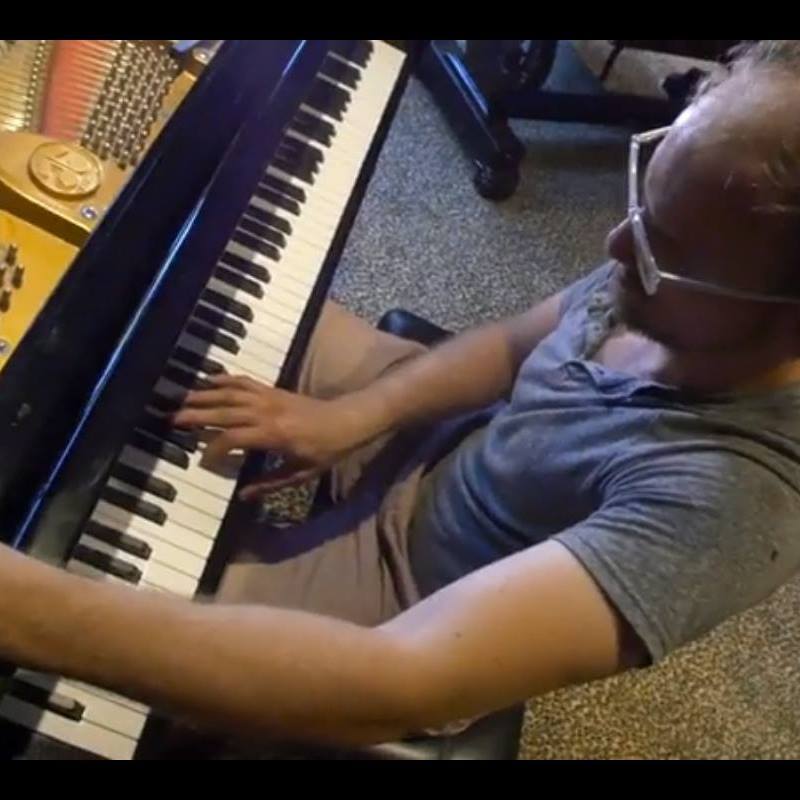
Regulation is the work that restores even touch. Tuning sets pitch. Regulation sets how the keys, hammers, and action parts meet. A piano can be in tune and still feel late, heavy, or uneven from one note to the next.
What regulation does
Regulation is a set of action adjustments. Technicians inspect the keys, the action, and the hammers, then set the travel and timing so the piano repeats and responds more evenly. PianoATX lists this work as piano regulation: detailed action adjustments that improve touch, repetition, control, and long-term performance.
A piano that is played often, used for lessons, or asked to perform at a high level benefits from this care. So does a piano that has gone years without anyone looking at the action.
Signs that it may help
- Notes feel late, heavy, or uneven from one key to the next
- Some notes repeat well and others do not
- Soft playing feels hard to control
- Keys sit at different heights or depths
- A recent tuning visit left the pitch improved and the touch unchanged
These signs do not prove that a full regulation is due. A visit and a look at the action give the clearest answer.
How it fits with other care
Tuning restores pitch. Regulation restores feel. Sticky keys can be a humidity or dirt problem, or a part that needs repair, not only a regulation job. A maintenance checklist helps you note what you feel before you book.
Kevin discusses regulation from the instrument in front of him. The work depends on the piano's condition. A request is not a confirmed appointment or a locked plan.
When you are ready, start on the PianoATX home page or request a visit.
Ready for a piano visit?
Choose an appointment time and tell us a little about the piano.