Piano care
A Piano Maintenance Checklist for Austin Homes
A practical Austin piano care checklist for placement, humidity, listening, and when to book the next visit.
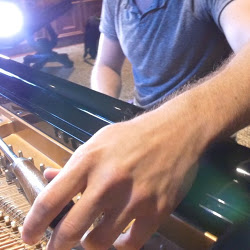
A piano in Austin lives with heat, air conditioning, and humidity that can change in a day. This checklist helps you watch the instrument between visits and decide when it is time for care.
Check the room first
Walk around the piano before you listen for tuning. Placement often explains why a piano drifts faster than expected.
- Keep the piano out of direct sun and away from glass that heats in the afternoon.
- Leave space behind an upright so air can move, and prefer an interior wall when you can.
- Do not aim a vent, space heater, or portable air conditioner at the case.
- Close windows during storms if the room otherwise stays closed and cooled.
- Note new changes: a remodel, a move, or a long stretch with the air conditioner off.
If the piano recently moved, or the room sat open through a hot week, mention that when you request a visit. Kevin can measure pitch and look at how the instrument is settling.
Listen in a simple order
Play slowly, one area at a time. You are listening for change, not for a concert performance.
- Unisons that sound wavy or restless on a single key
- Octaves and fifths that no longer agree
- Notes that feel late, sticky, or uneven from one key to the next
- Pedals that squeak, catch, or stay down
- New buzzes against the case, music desk, or a nearby object
Sticky piano keys are a common Austin complaint after a humid stretch or a very dry week of air conditioning. Do not force a key that will not return. Note which notes stick, then ask for keywork when you book. A technician can tell whether humidity, dirt, or worn parts are the cause. See sticky piano keys for causes and when to call.
Those signs often appear after the piano has already drifted. A recurring appointment is easier on the instrument than waiting until something sounds wrong. For a schedule that fits most homes, teachers, and schools, read how often to tune a piano.
Watch Austin seasons
Indoor air here is often dry while the air conditioner runs, then more humid after a storm or a mild winter stretch. The soundboard takes on and gives off moisture, and string tension follows.
A piano humidity system, often sold under names such as Dampp-Chaser, can steady that cycle in rooms that swing hard. It is not a substitute for tuning. It can help a well-cared-for piano hold pitch for longer. Read piano humidity in Austin for climate care and Dampp-Chaser basics.
At a visit, Kevin can tell you whether the room and the instrument would benefit from climate care, a standard tuning, or a pitch correction after a long gap.
Decide what to ask for next
Use this list when you write notes for a service request.
- Last known tuning date, even if it is only a season or a year
- Whether the piano was moved, stored, or left unused
- What you hear: flat overall, sour unisons, or uneven touch
- How the piano is used: home playing, lessons, church, or a rehearsal room
- Any sticking keys, broken parts, or pedals that need attention
Tuning restores pitch. Regulation restores the feel of the action. Cleaning and small repairs protect the instrument from dust and wear. Kevin will explain what the piano needs after he sees it. He will not ask you to guess the service name.
Keep a short home habit
Between visits, a few quiet habits protect the piano without extra equipment.
- Dust the case with a soft cloth. Leave the inner parts for a technician.
- Keep drinks, plants, and humidifiers off the lid.
- Close the lid when the room is empty for long stretches.
- Play the piano. Regular use helps you notice change early.
- Book the next tuning before the last one is forgotten.
When you are ready, start on the Piano ATX home page or book an appointment. A request is the start of a conversation about the instrument, not a promise of one fixed service.
Ready for a piano visit?
Choose an appointment time and tell us a little about the piano.