Piano care
How Often Should I Tune My Piano?
A practical Austin piano tuning schedule for homes, teachers, schools, and regular players.
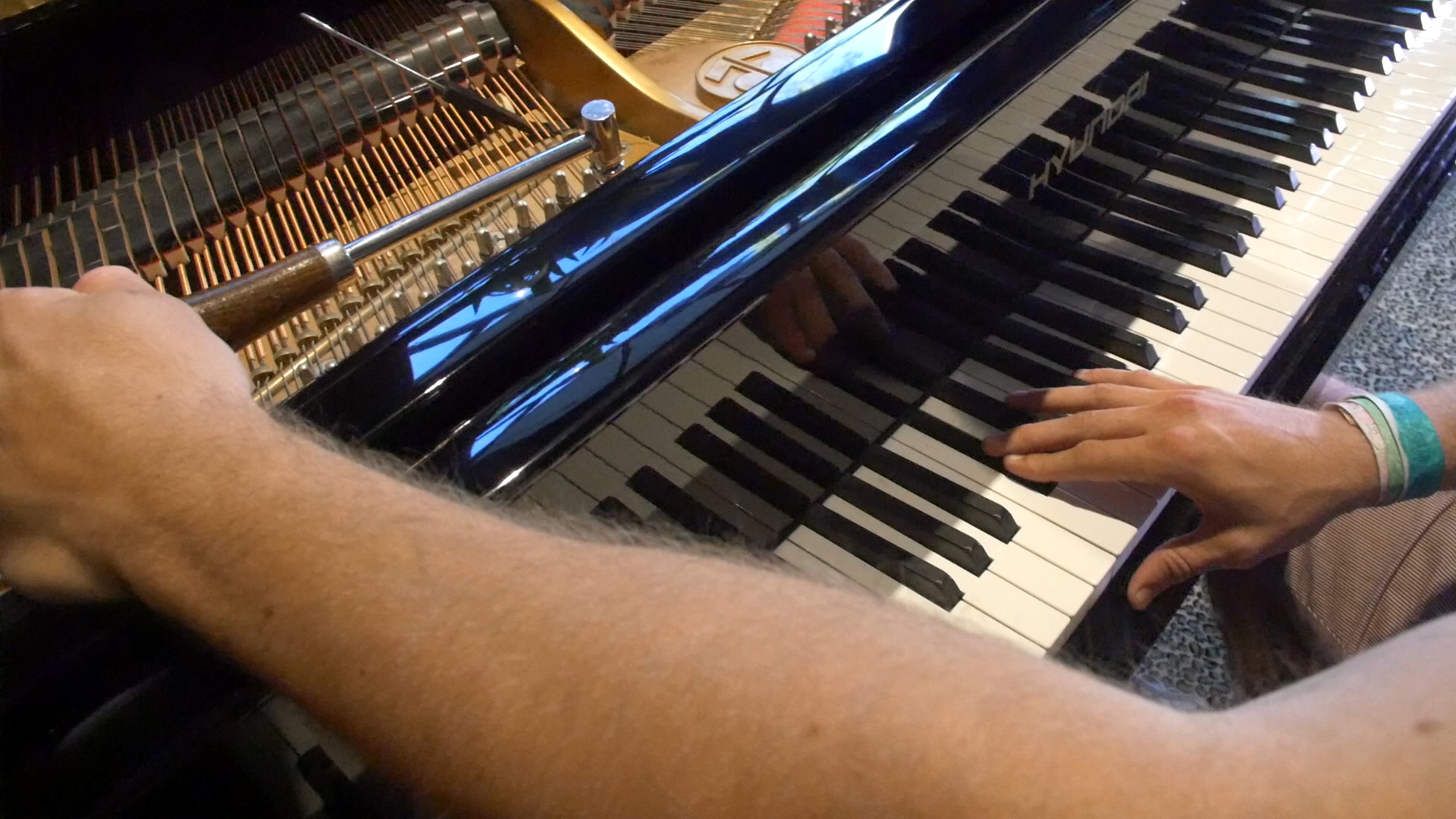
A piano changes even when it is not played. String tension responds to seasonal humidity, temperature changes, and the gradual settling of the instrument. Regular tuning keeps those changes small and helps the piano feel more dependable when someone sits down to play.
Start with a regular schedule
For many home pianos, a tuning every six months is a useful starting point. A piano that is played often, used for lessons, or shared by several musicians can benefit from more frequent care. Schools, churches, and performance spaces may need a schedule that follows their event calendar.
The right interval also depends on the instrument. A new piano can settle quickly during its first years. A piano that has been moved, exposed to major climate changes, or left untouched for a long time may need additional work before it stays stable.
Listen for a change, but do not wait for one
Unisons that sound wavy, intervals that no longer agree, and notes that feel out of place can all signal that a piano is ready for attention. Those signs are useful, but they often appear after the piano has already drifted. A recurring appointment is easier on the piano than waiting until a problem is obvious.
At a tuning visit, Kevin can also check for changes in touch, key response, and the general condition of the instrument. Clear notes about what he finds help you decide what care makes sense next.
Ready for a piano visit?
Choose an appointment time and tell us a little about the piano.