Piano care
Piano Humidity in Austin and Dampp-Chaser Basics
How Austin heat and air conditioning move piano pitch, and what a Dampp-Chaser humidity system can and cannot do.
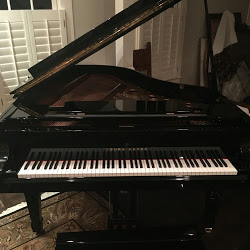
Austin heat does not stay outdoors. Air conditioning dries a closed room. A storm or a mild winter stretch then raises indoor moisture. A piano soundboard takes on and gives off that water, and pitch follows. Piano humidity control is about a steadier room, not a perfect number on one afternoon.
What Austin climate does to a piano
In summer the air conditioner often makes indoor air dry while the case sits in a cool room. After rain, or when windows stay open, moisture returns. The soundboard crowns and flattens with that cycle. Strings feel that change as sharp or flat drift, even if no one has played.
Homes, studios, and churches here see the same pattern in different rooms. A piano against a sunny window or in front of a vent drifts faster. Placement is the first climate tool. Keep the case out of direct sun and away from the strongest airflow, then keep a regular tuning schedule.
Dampp-Chaser basics
Dampp-Chaser is a common name people use for an in-piano humidity system. These systems sit inside the instrument. They add a little moisture when the air is dry and a little heat when the air is wet, so the soundboard lives in a narrower band.
A humidity system can help a piano hold pitch longer between visits. It can also reduce some seasonal swell that leads to sticky piano keys. It is not a substitute for tuning, and it will not correct a piano that already sits far below pitch. That piano may still need a pitch correction, also called a pitch raise, before a fine tuning will hold.
These systems need correct install, a water reservoir you can reach, and occasional service. They are not a set-and-forget gadget. Ask Kevin whether your room and your piano would benefit before you buy one.
Room habits that still matter
A humidity system cannot fight an open window all summer or a vent aimed at the strings.
- Keep drinks and houseplants off the lid
- Do not run a room humidifier against the case
- Close the lid when the room will sit empty
- Note long stretches with the air conditioner off
- Mention new leaks or a recent move when you book
Common questions
Do I need a Dampp-Chaser in Austin?
Not every piano does. A piano in a fairly steady, closed, cooled room may only need regular tuning. A piano in a room that swings hard, or one that loses pitch quickly after every visit, is a stronger candidate. Kevin can judge that after he sees the instrument and the space.
Will humidity control change piano tuning cost?
It can change how often the piano needs extra pitch work. It does not replace the visit. For what shapes a tuning visit, read how much piano tuning costs.
When you are ready, start on the Piano ATX home page or request a visit.
Ready for a piano visit?
Choose an appointment time and tell us a little about the piano.